Oilstop Achieves 80% Workforce Adoption with Learner Mobile in the First Month
When Training Stops Slowing Teams Down
There’s a moment most frontline organizations hit.
Training starts to feel like a tradeoff.
You either pull employees off the floor and lose time, or you keep operations moving and hope people figure things out as they go. Neither option works long term.
Oilstop was in that exact spot.
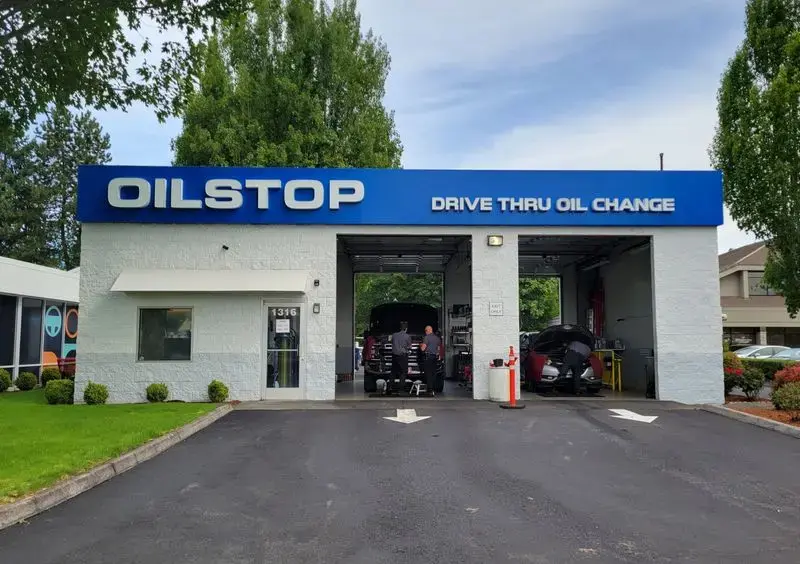
Operating in a fast-paced automotive service environment, their teams needed to move quickly, stay consistent, and keep safety front and center. But traditional training methods were getting in the way more than they were helping.
Employees had to step away from their work to complete training. Updates were not always reaching everyone in time. And even when training was completed, it didn’t always stick where it mattered most.
So they made a shift.
Bringing Training Into the Flow of Work
Instead of trying to force training into the workday, Oilstop flipped the approach.
They introduced a mobile-first learning platform that allowed employees to access training right where they were working. No scheduling. No stepping away for long sessions.
On-site devices like laptops and iPads made it easy for employees to complete short learning modules between tasks.
The content itself was designed differently too.
Rather than long courses, training was broken into focused, bite-sized pieces. Employees could quickly find what they needed, whether it was a safety checklist, a standard operating procedure, or guidance tied to their role.
It sounds simple, but it changes everything.
Training becomes something employees use, not something they have to get through.
What Happens When Training Feels Easy to Use
The impact showed up almost immediately.
Within the first month, 80% of Oilstop’s workforce was actively using the platform.
That kind of adoption doesn’t come from pushing harder. It comes from removing friction.
Oilstop also saw 88% completion on compliance training early on, giving them a stronger, more consistent safety baseline across locations.
But the numbers only tell part of the story.
What really changed was how training fit into the day. Employees didn’t have to carve out time for it. They could access it when they needed it, apply it right away, and move on with confidence.
The Role of Leadership in Making It Work
One of the most interesting parts of Oilstop’s rollout is how much it leaned on leadership.
Before launch, site managers were brought in through dedicated webinars to understand how the platform would support onboarding, safety, and day-to-day performance.
That early alignment made a difference.
Managers didn’t see training as another system to manage. They saw it as something that could actually help their teams perform better. And because of that, they reinforced adoption across their locations from day one.
They encouraged employees to get started early, made sure new hires were added quickly, and kept the momentum going.
It wasn’t complicated. It was intentional.
Turning Training Into a Path Forward
Oilstop also connected training to something bigger than completion.
They introduced a certification pathway across key roles like Lube Technician, Service Coordinator, and Service Writer.
That shift matters.
When employees can see how training ties to growth, it changes how they engage with it. It becomes part of how they move forward, not just something they have to check off.
At the same time, shared compliance training helped create consistency across every location, reinforcing safety and expectations in a way that was visible and measurable.
A Glimpse Into What’s Possible
Three months in, the results are clear.
Training is now accessible on-site, built for how employees actually work, and connected to real outcomes like safety, consistency, and career progression.
And maybe more importantly, it’s being used.
This is what happens when training is designed for the environment it lives in. It becomes part of the work, not separate from it.
Want the Full Story?
This is only a snapshot.
The full Oilstop case study dives deeper into their rollout strategy, how they structured their training, and what made adoption happen so quickly.
If you’re thinking about how to make training work better for your own teams, it’s worth the read.